
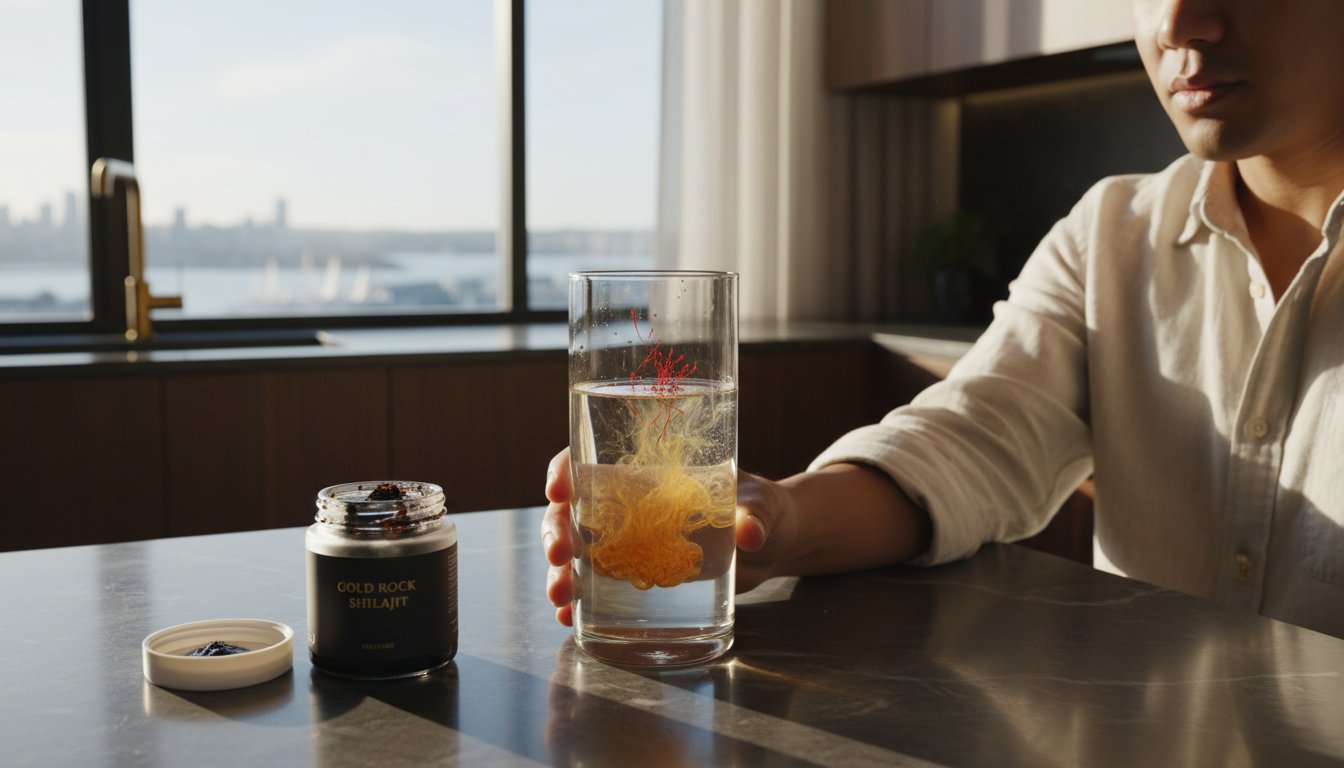
Did you know that nearly 40% of the world’s spice supply is estimated to be adulterated, with saffron being the most frequently targeted luxury? In a market where high-grade filaments can command over NZ$25 per gram, the temptation for fraud is immense. You’ve likely felt that hesitation while standing in a boutique grocer in Auckland or browsing online, wondering if those vibrant threads are truly the “Red Gold” they claim to be. It’s frustrating to invest your hard-earned NZD into a product that might contain nothing more than dyed corn silk or sandalwood fibers.
We believe that your journey toward peak vitality requires absolute transparency and the highest standards of purity. Understanding how to test saffron is an essential skill for anyone who values the intersection of ancient Ayurvedic wisdom and modern laboratory validation. This guide promises to transform your uncertainty into the quiet confidence of a master. You’ll learn to identify the distinct chemical markers of authentic Negin and Sargol grades using simple yet definitive home rituals. We’re moving beyond guesswork to provide a clear roadmap for verifying the potency of your harvest, ensuring every thread you consume is a true Gold Grade catalyst for your well-being.
Saffron’s value is legendary. It remains the most expensive botanical on Earth, often surpassing the price of gold by weight. In New Zealand, high-quality threads can retail for upwards of NZ$35 per gram in premium wellness boutiques. This astronomical price point creates a shadow market where fraud thrives. Counterfeiters exploit the gap between your desire for vitality and the reality of a complex supply chain. Understanding how to test saffron isn’t just about saving your investment; it’s about protecting your biology from synthetic contaminants.
Every single Saffron thread is the hand-harvested stigma of the Crocus sativus flower. It takes approximately 150,000 flowers to produce a single kilogram of dried spice. This labor-intensive reality makes the crop a prime target for adulteration. In 2026, global demand for “Gold Grade” extracts has reached an all-time high, yet environmental shifts in traditional growing regions like Khorasan have tightened supply. This scarcity drives the market toward desperation, making rigorous verification essential for the modern alchemist.
Adulteration is a sophisticated business that bypasses standard retail checks. A 2024 report by the Global Food Safety Initiative indicated that nearly 45% of tested saffron samples in international trade showed evidence of tampering. Fraudsters often use corn silk, safflower, or even dyed coconut fibers to add bulk. These fillers are frequently soaked in synthetic dyes such as Sudan I or Tartrazine. These chemicals mimic the deep crimson of authentic threads but offer zero therapeutic benefit and may pose health risks.
Modern buyers in New Zealand must realize that price is no longer a shield. You might pay NZ$28 for a small tin in an Auckland specialty store only to find it contains zero active crocin. High-end brands now rely on independent lab testing to verify the presence of key bioactive markers. These include:
Ancient cultures viewed this flower as a bridge to higher human potential. Persian and Ayurvedic traditions utilized the spice as a potent catalyst for mood regulation and cellular rejuvenation. The purity of the thread dictates its value in these systems. Authentic saffron contains over 150 volatile and aroma-yielding compounds that work in synergy. When you learn how to test saffron, you’re looking for the presence of these life-giving molecules that have been revered for millennia.
High-grade threads possess a deep, uniform red hue that signals a rich concentration of antioxidants. This isn’t a mere culinary preference; it’s a requirement for those seeking the holistic benefits of a Gold Grade supplement. The connection between the spice’s vibrant color and its efficacy is absolute. Without purity, the “Modern Alchemist” cannot achieve the desired state of peak performance. To fully appreciate why purity matters so deeply, exploring the complete spectrum of saffron benefits for mood regulation and cognitive clarity reveals just how much is at stake when adulterated threads replace the genuine article. Authentic Crocus sativus acts as a pristine source of wellness, provided it hasn’t been compromised by the shortcuts of a profit-driven market.
Discerning the purity of “red gold” requires the keen eye of a modern alchemist. In New Zealand, where premium saffron can retail for upwards of NZ$25 per gram, ensuring you’ve secured a Gold Grade product is essential for both your palate and your health. Knowing how to test saffron at home allows you to bypass the deceptive practices of the spice trade. These methods rely on the unique chemical profile of the Crocus sativus flower, specifically the presence of crocin, picrocrocin, and safranal. Authentic threads possess a physical and chemical integrity that synthetic imitations simply cannot replicate.
Place three to five threads into a glass of cold water. Watch the transformation with patience. Real saffron doesn’t bleed red instantly. It releases a soft, luminous yellow glow that gradually deepens into a vibrant sunset orange. The diffusion rate of pure saffron manifests as a slow, wispy release of color that dances through the water like liquid gold. If the water turns deep red or crimson within seconds, you’re likely observing artificial dyes leaching from corn silk or coconut fibers. Perform the float test simultaneously. Genuine stigmas are buoyant. They’ll float for several minutes before slowly drifting downward. Adulterated fibers often sink immediately because they’ve been weighted with heavy syrups or metallic salts to increase their market value.
Your nose is a powerful tool for discerning Gold Grade quality. Authentic saffron emits a complex aroma that bridges the gap between dry hay and floral honey. This scent profile is the signature of safranal. A common paradox exists here. While the aroma is sweet, the taste must be bitter. If a thread tastes sweet on your tongue, it’s a definitive red flag indicating the addition of sugar or honey to add weight. Pure saffron contains picrocrocin, which provides a distinct, medicinal bitterness. Examine the physical structure closely. A genuine stigma is shaped like a tiny trumpet, flared at the top and tapered at the base. After soaking, perform the rub test. Rub a thread between two wet fingers. Pure saffron remains structurally intact and continues to release yellow pigment. Fake saffron will disintegrate into a mushy paste, revealing its lack of fibrous integrity.
This simple chemical reaction serves as a definitive gatekeeper for purity. Mix a small pinch of baking soda into a shallow dish of water and add a few saffron threads. The resulting color shift tells the story of the spice’s origin. Pure saffron will turn the solution a clear, bright yellow. If the mixture transforms into a murky red or dull brown, it confirms the presence of synthetic colorants. These analytical methods for quality assessment help bridge the gap between ancient Ayurvedic wisdom and modern laboratory standards. In a global market where 45% of tested samples often show signs of adulteration, these home validations are your first line of defense. For those dedicated to a high-performance lifestyle, choosing Gold Grade botanicals ensures you’re only consuming the most potent elements of nature. Avoid using boiling water for this test. High heat can break down the delicate compounds prematurely and lead to a false interpretation of the results.
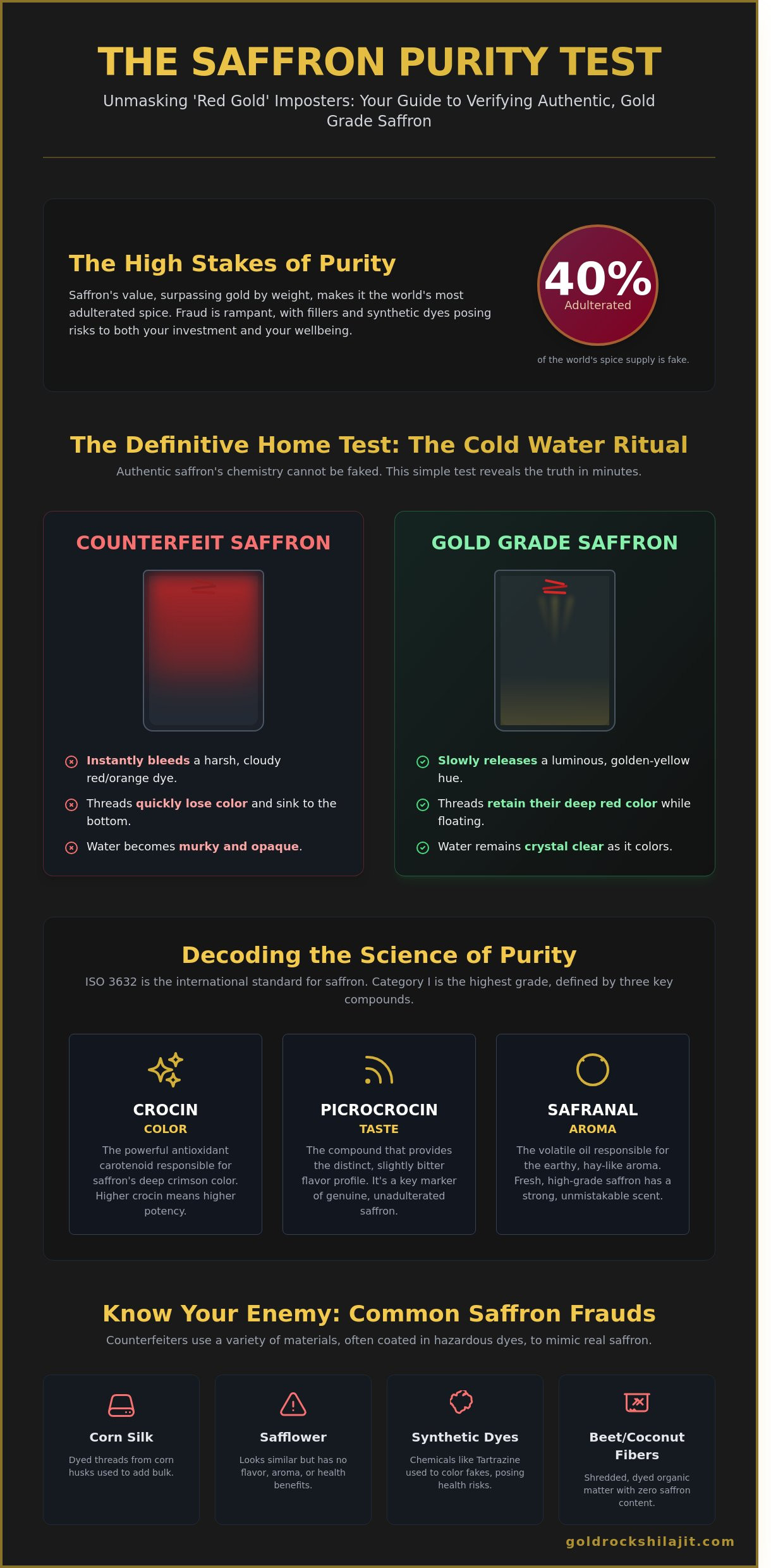
To understand the soul of this crimson treasure, you must look past the vibrant threads and into the molecular architecture. True saffron quality is governed by ISO 3632, a rigorous international standard that classifies the spice into three categories based on chemical purity. When you see a ‘Category I’ label, it signifies the highest concentration of active compounds. This isn’t a mere marketing term; it represents a crocin absorbance level exceeding 200, ensuring you receive the full spectrum of its revitalizing properties. Scientific verification is the only way to bypass the sophisticated mimics found in the marketplace. A Forensic Analysis of Saffron reveals that laboratory-grade testing is the gold standard for identifying adulterants like marigold or dyed corn silk. Learning how to test saffron at home provides a basic defense, but understanding these chemical markers allows you to invest in your health with absolute confidence.
Much like our Shilajit Resin, which is forged under the immense pressure of the high-altitude mountains, premium saffron gains its potency from its environment. The harsh conditions at 1,500 to 2,500 meters above sea level force the Crocus sativus to produce higher levels of secondary metabolites. Combining these two ancient powerhouses creates a holistic mineral routine that fuels human potential through a synergistic blend of fulvic acid and potent carotenoids. In New Zealand, where premium wellness is a priority, discerning buyers look for this intersection of Ayurvedic wisdom and laboratory validation.
Crocin is the water-soluble carotenoid responsible for saffron’s legendary hue. Beyond aesthetics, it’s the primary driver of the spice’s antioxidant capacity. Lab technicians use spectrophotometry to measure color strength at a specific wavelength of 440nm. Super Negin grade saffron consistently hits the highest marks here, often reaching crocin levels above 240. When you’re learning how to test saffron, remember that real crocin releases its golden pigment slowly. It doesn’t dump a harsh crimson dye into the water instantly; it blooms with a measured, royal elegance that reflects its Gold Grade status.
The sensory experience of saffron is dictated by safranal and picrocrocin. Picrocrocin provides the characteristic bitter taste and acts as a precursor; during the drying process, it breaks down to release safranal, the volatile oil that creates that unmistakable earthy fragrance. Moisture control is vital here. ISO standards require a moisture content of less than 12% to prevent mold and lock in these volatile oils. If the threads feel supple or sticky, the picrocrocin has likely degraded, robbed of its potency by poor post-harvest handling. High-quality drying techniques ensure the aroma remains trapped within the dry, brittle stigmata until the moment they hit your palate.
Investing in authentic saffron in New Zealand often requires a premium price point, sometimes exceeding NZ$30 per gram for true Category I filaments. This cost reflects the labor-intensive harvest and the scientific precision required to maintain such high chemical standards. By choosing lab-tested products, you’re not just buying a spice; you’re securing a catalyst for your daily vitality.
The pursuit of Gold Grade wellness requires a discerning eye. In the specialized spice markets of New Zealand, the allure of “Red Gold” often masks a sophisticated reality of industrial deception. Unscrupulous suppliers frequently utilize organic fillers to mimic the appearance of authentic saffron while providing none of the therapeutic benefits. Common adulterants include dried beet fibers, pomegranate capillaries, and even dyed corn silk. These materials are processed to match the delicate thread-like structure of the Crocus sativus, yet they lack the complex chemical profile essential for true vitality.
Beyond simple plant fibers, the most insidious frauds involve chemical manipulation. Lower-grade saffron often consists of the “style,” which is the yellow, non-potent part of the flower. To command a higher price, these yellow threads are frequently treated with synthetic food colorings like Tartrazine (E102) or Sunset Yellow. These additives are strictly regulated in New Zealand food standards but often slip through in unverified imports. Consuming these synthetic dyes contradicts the principles of holistic health and may cause adverse reactions in sensitive individuals. Learning how to test saffron becomes a vital skill for anyone seeking to integrate this ancient botanical into their daily ritual. Understanding the full range of saffron benefits backed by 2024 clinical research makes it clear why settling for adulterated threads is never an acceptable compromise.
Safflower, scientifically known as Carthamus tinctorius, is the most prevalent imposter found in budget-conscious retail environments. Frequently labeled as “Mexican Saffron” or “Turkish Saffron,” this thistle-like plant bears a superficial resemblance to the real spice but shares none of its genetic lineage. Authentic Crocus sativus stigmas are trumpet-shaped and delicate; safflower petals are flat, coarse, and lack the distinct honey-like aroma. From a medicinal perspective, safflower is entirely void of the safranal and crocin that define saffron’s potency. Price is your first indicator of authenticity. If you encounter a large jar for NZ$15 at a local market, it isn’t saffron. True Gold Grade saffron rarely retails for less than NZ$30 to NZ$50 per gram in New Zealand specialty boutiques due to the intensive labor required for its harvest.
The high market value of saffron creates a temptation for sellers to artificially increase the weight of their product. This is often achieved by spraying the threads with moisture, heavy oils, or even honey. While the threads may look lush, this added weight serves only to dilute your investment and can lead to premature molding. You can easily identify these additives at home. Understanding how to test saffron involves the “Paper Towel Test.” Simply place a few threads between two layers of white paper towel and press down firmly. Authentic, pristine saffron will leave a dry, yellow-orange powder or stain. If you notice a translucent, oily smudge, the product has been adulterated with lipids to increase its mass on the scale.
For the modern alchemist who demands absolute transparency, visual checks are only the beginning. While home tests offer immediate feedback, independent lab testing provides the only 100% guarantee that your supplements are free from heavy metals, synthetic dyes, and moisture-boosting agents. This level of verification ensures that what you put into your body aligns with the highest standards of purity and efficacy. Don’t settle for compromised ingredients that hinder your potential.
Sourcing the world’s most expensive spice requires a discerning eye and a refusal to settle for mediocrity. Origin isn’t just a label; it’s a certificate of chemical potency. Iranian Super Negin saffron represents the absolute peak of the Crocus sativus species. Cultivated in the arid, high-altitude plains of the Khorasan province, these threads contain the highest concentrations of crocin, safranal, and picrocrocin found in nature. While you’ve learned how to test saffron using water and scent, the ultimate assurance comes from technical transparency.
Every jar should display a clear harvest date. Saffron loses its volatile oils within 24 months of picking, so look for a late 2023 or 2024 vintage to ensure maximum freshness. Batch numbers allow you to trace the product back to its specific field, ensuring it hasn’t been blended with inferior grades from other regions. Once it arrives at your New Zealand home, treat it with reverence. Light and oxygen are the enemies of vitality. Store your threads in an airtight glass container, tucked away in a dark cupboard. This ritual preserves the deep crimson hue and ensures every milligram contributes to your high-performance lifestyle.
Seeking the “Gold Grade” means looking beyond the supermarket shelf. Red Gold Saffron meets the criteria of the Modern Alchemist by providing only the thickest, most potent tips of the stigma. This specific cut ensures no yellow style is present, maximizing the concentration of active compounds. By sourcing directly from regions with the ideal mineral-rich soil and 300 days of annual sunshine, we bypass the middlemen who often dilute quality. This direct-to-consumer model ensures that the product moving from the heart of the harvest to your doorstep in New Zealand remains pristine and unadulterated. It’s a commitment to purity that honors the ancient heritage of this botanical treasure.
True vitality emerges when we bridge the gap between ancient wisdom and modern biology. Combining the mood-enhancing properties of saffron with Shilajit Drops creates a comprehensive mineral and antioxidant foundation. While saffron modulates neurotransmitters for mental clarity, the 85+ trace minerals and fulvic acid in shilajit provide the cellular energy required for peak performance. You can integrate these into your morning routine by creating a meditative saffron tonic. Dissolve three to five threads in warm water for ten minutes before adding your mineral drops. This ritual isn’t just about supplementation; it’s about a conscious decision to fuel your potential with the most potent substances the earth provides.
Before you finalize your next purchase, use this “Gold Grade” checklist to ensure you are receiving an authentic, high-potency product:
By following these rigorous standards, you transform a simple culinary ingredient into a powerful tool for transformation. Whether you’re biohacking your cognitive function or seeking a deeper sense of well-being, the quality of your source determines the quality of your results.
Securing authentic “Red Gold” requires a sharp eye and a commitment to uncompromising quality. You now possess the essential knowledge of how to test saffron using the cold water method and identifying the distinct aromatic profile of honey and hay. Authentic Super Negin threads must exceed ISO 3632 Category I standards, typically showing crocin levels above 270 in rigorous 2026 laboratory assessments. Don’t fall victim to the NZ$15 per gram fraudulent market that relies on dyed corn silk or spent threads. True wellness demands a bridge between ancient Ayurvedic wisdom and modern analytical precision.
Elevate your daily rituals with a botanical treasure that transcends the ordinary. Our 100% pure threads represent the pinnacle of potency and ethical harvesting. Experience the purity of the peaks with Gold Rock Red Gold Saffron. Every batch is Independent Lab Tested for Purity and remains our Premium Super Negin Grade, ensuring your journey toward vitality is both ethically sourced and pristine. Embark on your path to holistic excellence with confidence.
Saffron loses its medicinal potency and aromatic profile after 24 to 36 months. While it doesn’t become toxic, the essential oils like safranal diminish by approximately 12% each year when stored in suboptimal conditions. To preserve this Gold Grade botanical, keep it in a cool, dark place. New Zealand’s humidity can degrade the threads; therefore, an airtight glass jar is essential for maintaining its pristine quality.
Real saffron requires 150,000 flowers to produce just one kilogram of dried threads, justifying its price of NZ$20 to NZ$45 per gram in local specialty stores. Every stigma is hand-picked during a brief two-week harvest window. This intensive labor reflects the spice’s status as a premium catalyst for wellness. You’re paying for the purity of a harvest that respects the slow, natural rhythm of the earth.
Fake saffron often contains harmful synthetic dyes like Tartrazine or Allura Red, which can trigger respiratory issues in 2% of the population. Adulterated products sometimes use dyed corn silk or even plastic fibers. These fillers lack the holistic benefits of authentic stigmas and introduce chemical toxins into your body. We prioritize laboratory validation to ensure every thread meets the highest safety standards for our community.
Saffron threads are the whole, dried stigmas of the flower, while powder consists of these threads ground into a fine dust. Powder is significantly more susceptible to fraud; 65% of tested commercial powders contain fillers like turmeric or paprika. For those seeking a genuine transformation, we recommend purchasing whole threads. You can grind them yourself to ensure you’re receiving 100% pure, potent material.
A single serving typically requires only 3 to 5 individual threads, which weighs roughly 0.01 grams. This small amount is enough to unlock your vitality and provide the signature golden hue to your dish. Consuming more than 1.5 grams daily is unnecessary; doses exceeding 5 grams can lead to adverse effects. Precision is key when integrating this ancient secret into your modern, high-performance lifestyle.
The speed of the color release is the primary indicator of quality, as Category I saffron must have a coloring strength exceeding 200 units. When you learn how to test saffron, you’ll notice real threads release a golden yellow hue slowly over 15 minutes. If the water turns deep red or orange instantly, it’s a sign of artificial dyes. Pure stigmas retain their red color even after soaking.
You shouldn’t use a microwave to test or dry saffron because the intense radiation destroys the delicate crocin and safranal molecules. This high-heat method strips the spice of its earthy, revitalizing properties. Instead, use the cold water method when discovering how to test saffron for purity. Real threads will sink or float slowly while maintaining their structural integrity, whereas fakes often disintegrate within 120 seconds.
Saffron that smells like plastic or harsh chemicals is almost certainly a synthetic counterfeit or has been treated with industrial preservatives. Authentic, Gold Grade saffron possesses a complex aroma described as a balance of honey and dry hay. If the scent is metallic or artificial, the product lacks the Ayurvedic wisdom and purity required for true wellness. Trust your senses; nature’s most potent treasures never smell like a factory.